Guides, regulatory references, and technical resources on hazardous waste and environmental compliance.
Emergency Public Notice and Comment Period regarding the second re-adoption of emergency regulations for the safe handling of un-deployed airbags.
A hazardous waste profile is a comprehensive document that encapsulates vital information about hazardous waste.
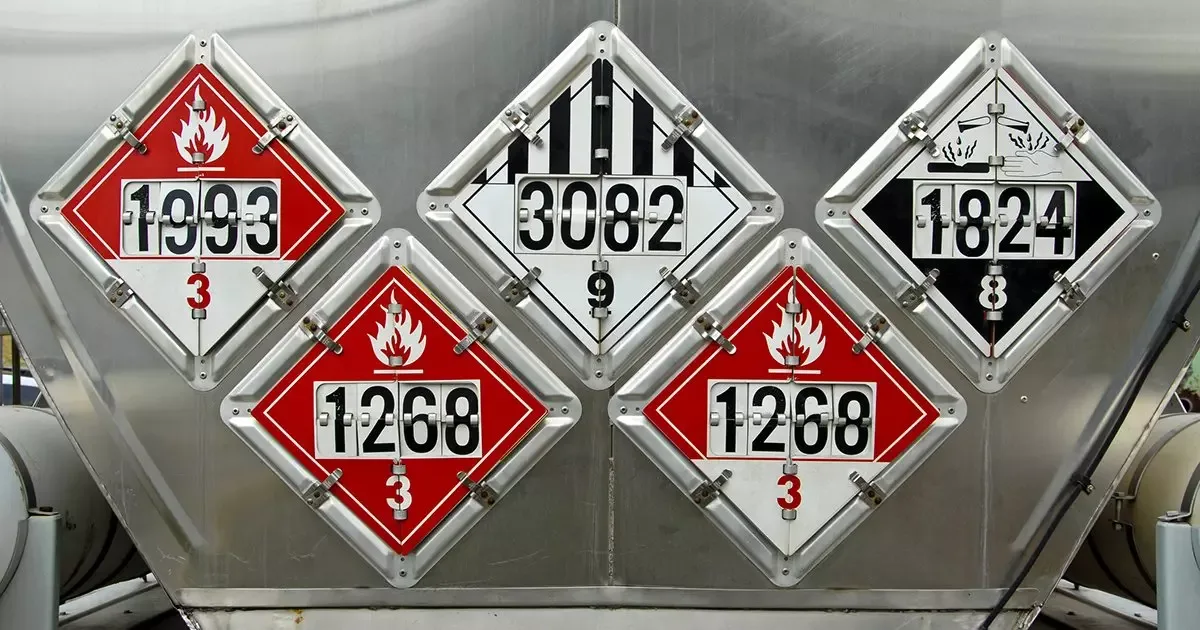
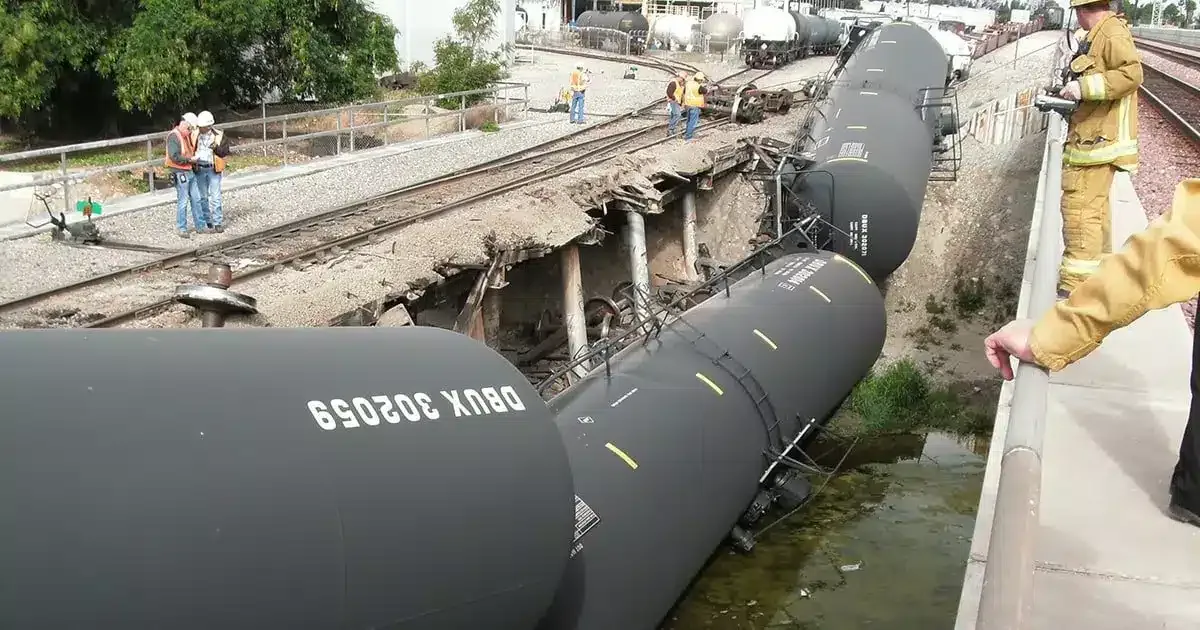
Learn about the importance of transporting hazardous waste safely and the crucial role of hazardous waste transporters.
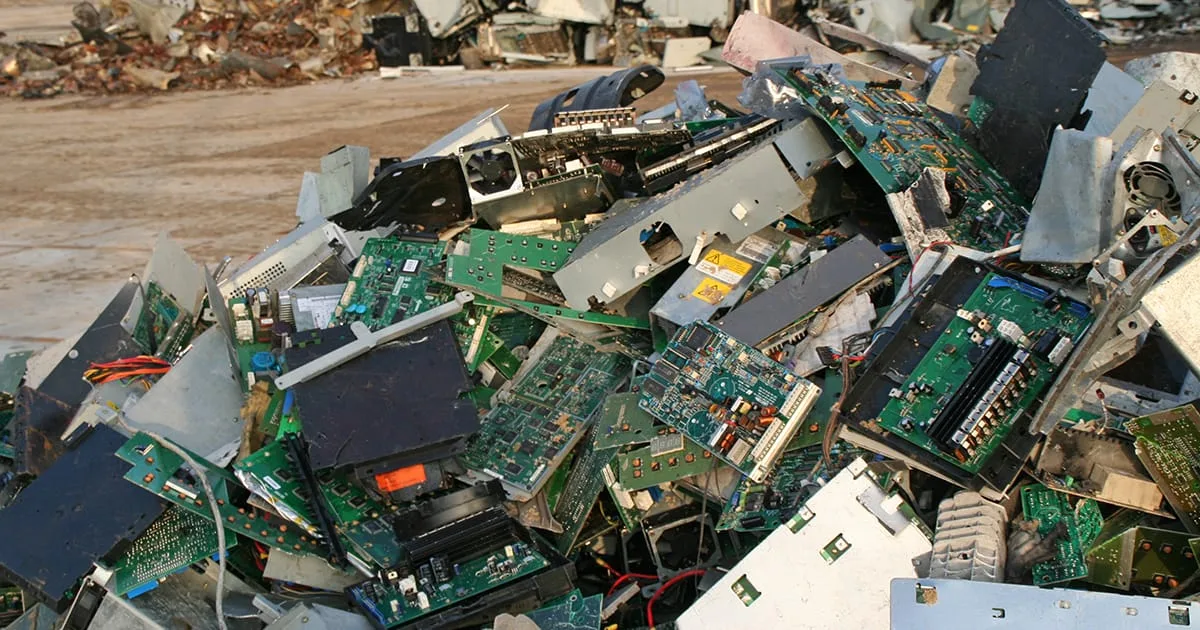
E-waste is the fastest-growing stream of solid waste in the world, with millions of devices coming to the end of their useful lives yearly.
Effective waste management involves strategic actions aimed at minimizing the environmental footprint of industrial operations.
Effective waste management strategies help reduce greenhouse gas emissions, contributing to the mitigation of climate change.
Lap packing is a highly effective solution for the disposal of hazardous and non-hazardous laboratory chemicals.
Incorrect solvent waste disposal poses environmental and health hazards, including severe health risks.
Metal sludge waste is a byproduct formed during various industrial processes, such as metal finishing, electroplating, and surface treatment.
Managing pharmaceutical waste is crucial for public health facilities to prevent environmental contamination and health risks.
While butane is effective in extraction, its flammability poses significant risks. Improper handling can lead to dangerous situations.
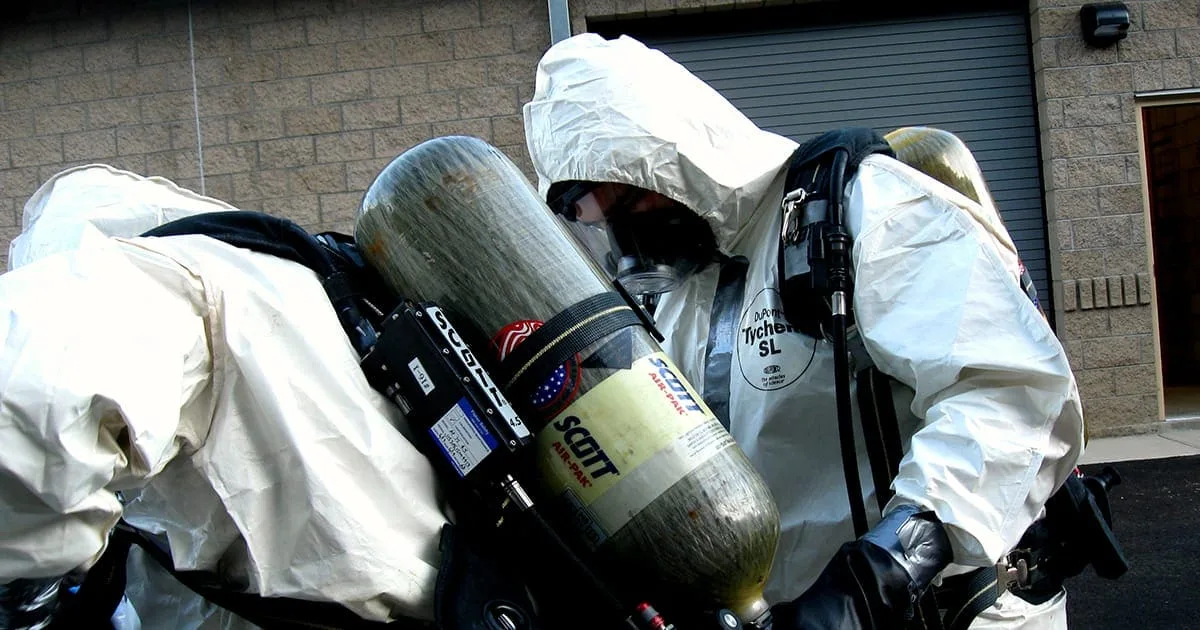
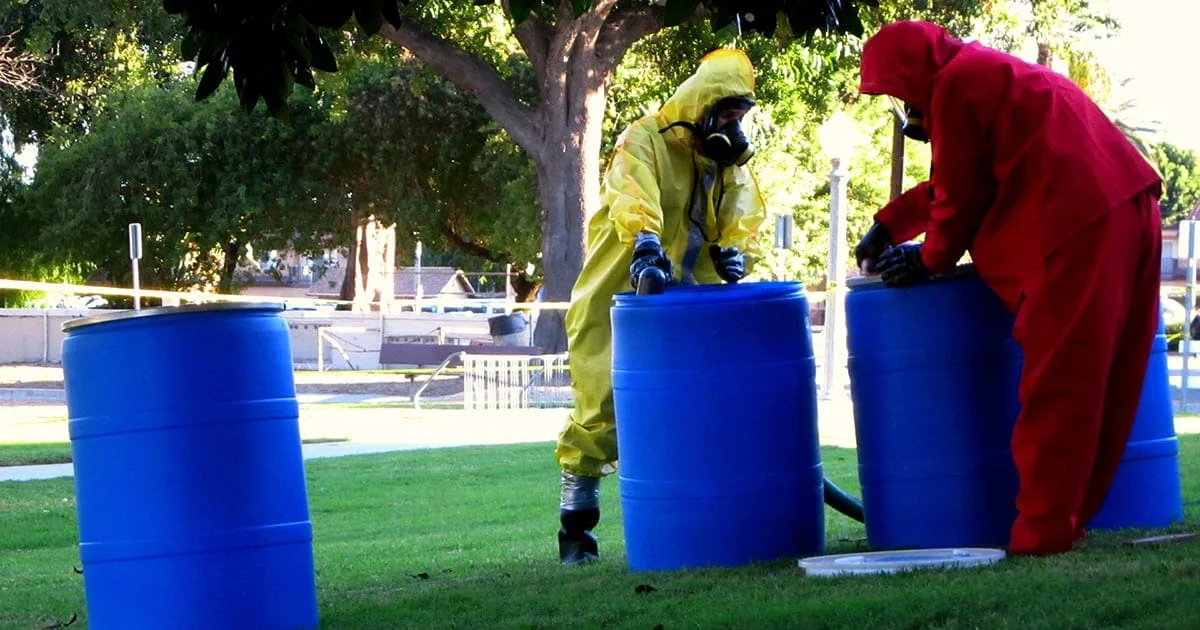
Creating emergency response plans is crucial for managing a hazardous material incident effectively.
Discover the many ways to utilize hemp biomass, from biofuel to textiles, and unlock the full potential of this versatile resource.
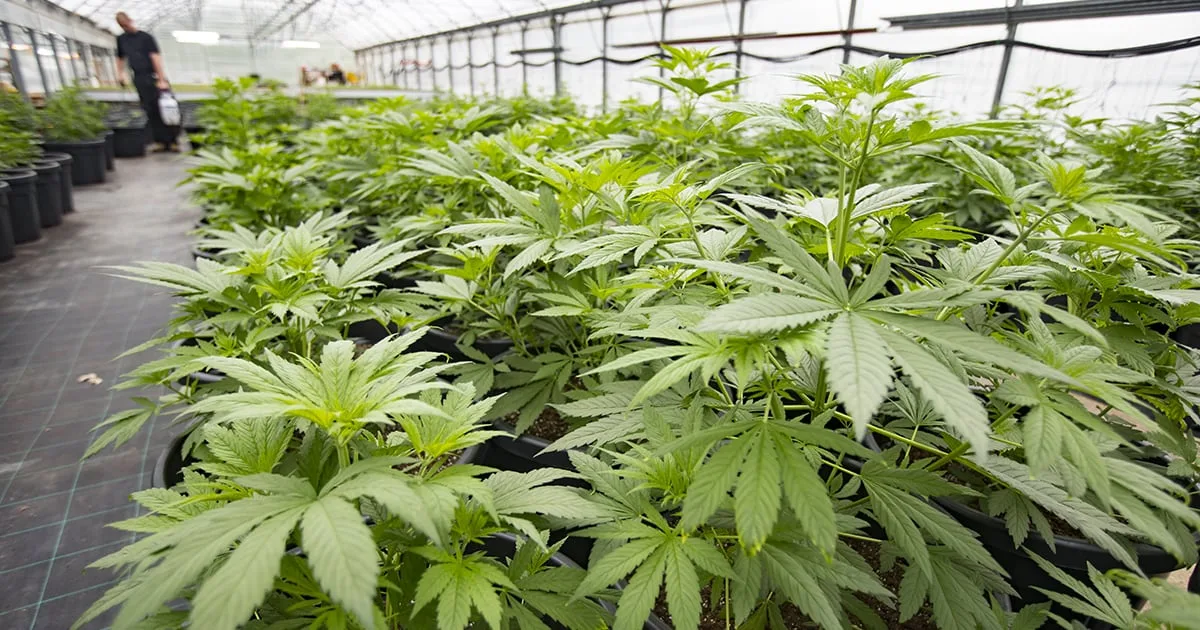
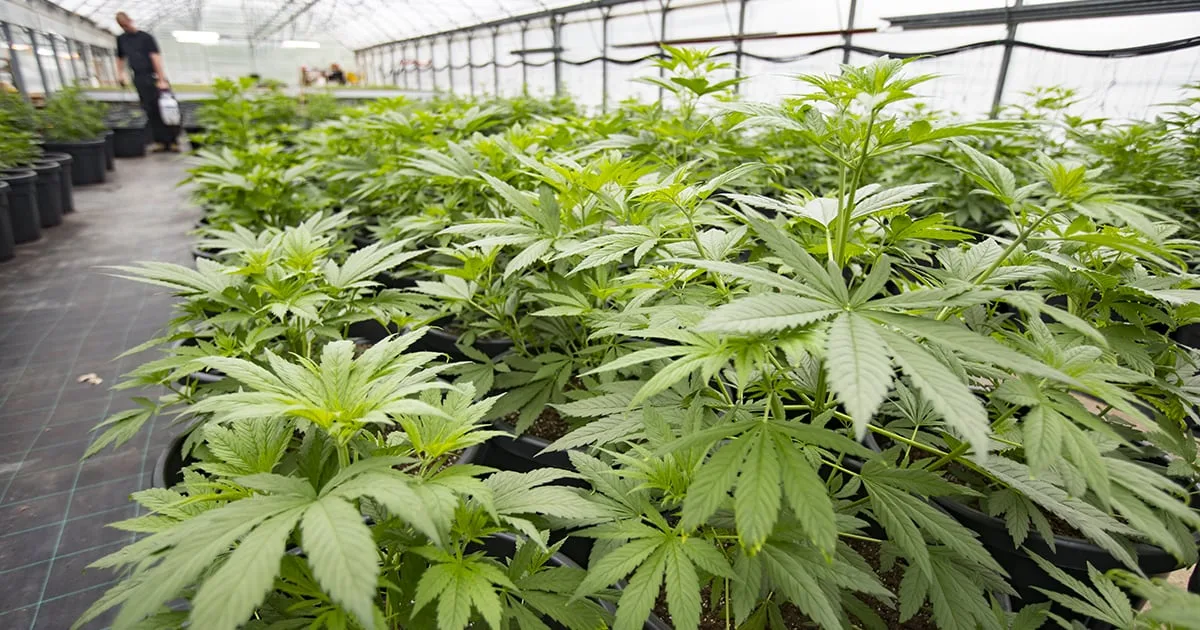
Sustainable practices in managing cannabis waste is not just nice to have but necessary to comply with regulations and the environment.
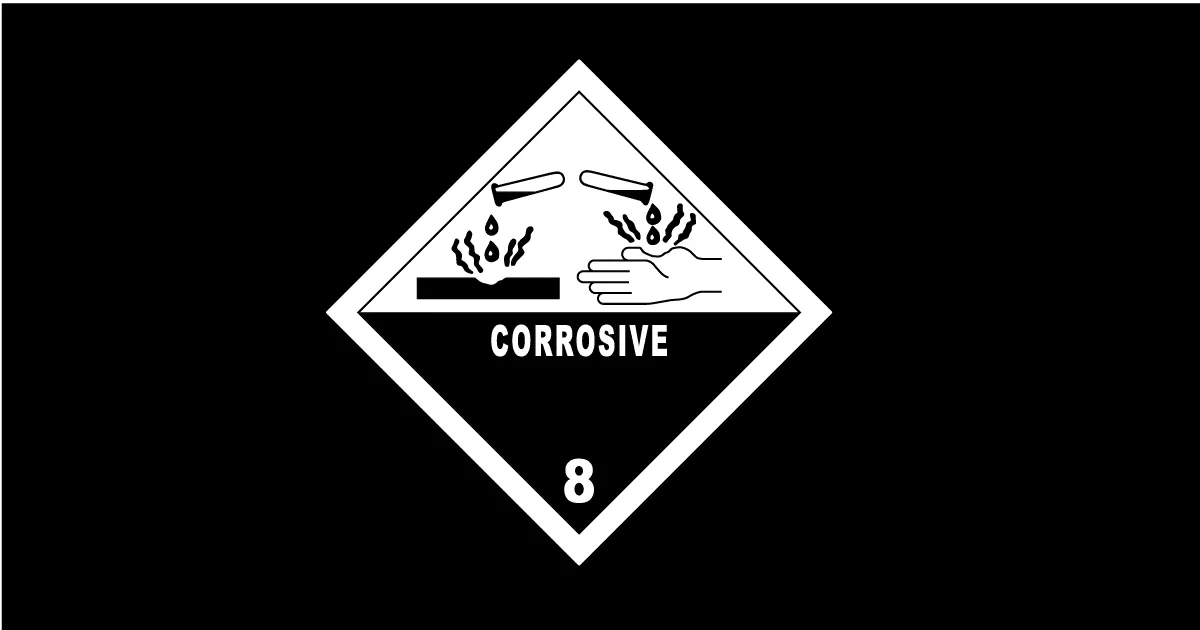
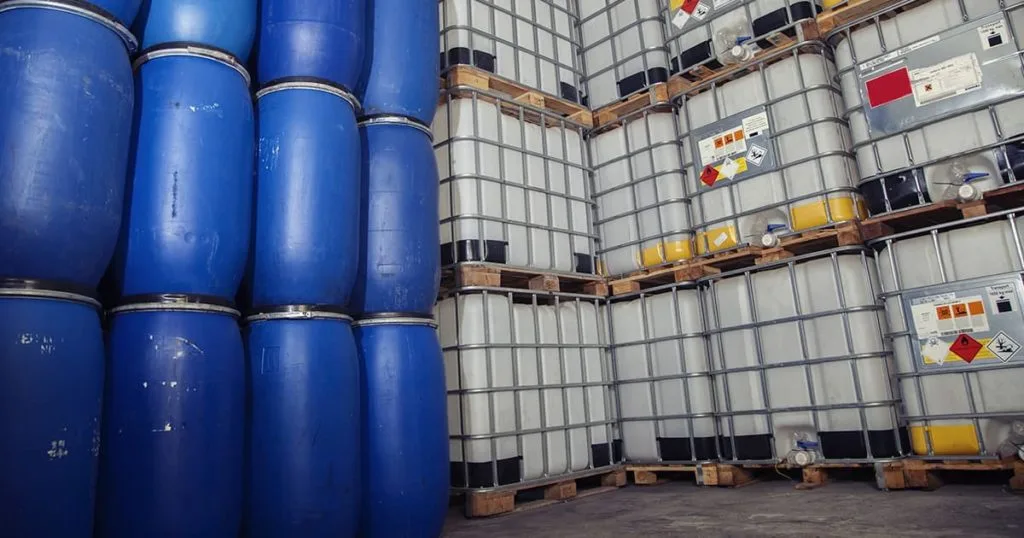
The Department of Transportation classifies Class 8 corrosive materials that can cause severe damage to skin, eyes and other tissue.
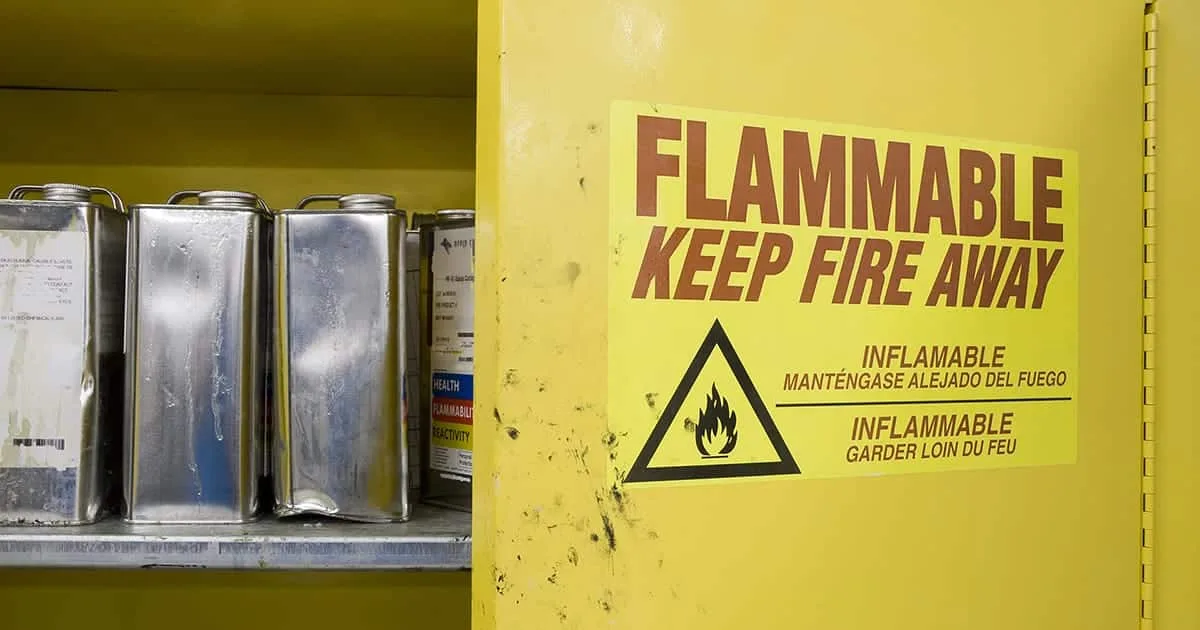
A flammable cabinet is essential where hazardous items are in use and a flammable cabinet helps contain the fire risk.
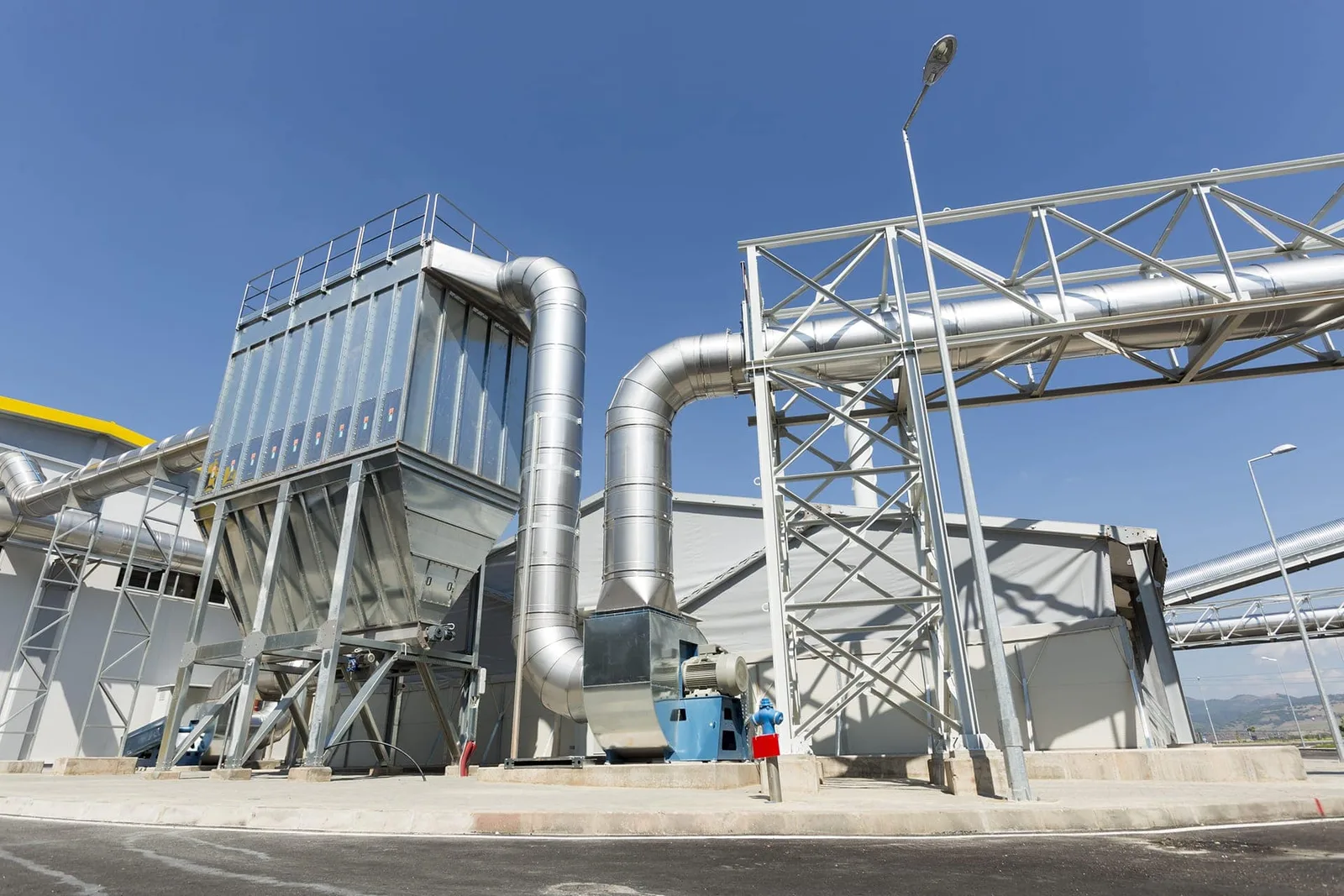
Hazardous waste incinerator facilities have become incredibly sought after, with most prospectives having to wait for months before their materials can be accepted and approved. Some reports…
Organizations that are involved in the sale, manufacturing and distribution of services or products within the United States defense articles, defense services, or related technical data must…
Cannabis waste compliance management is a major concern in the cannabis industry--from cultivation, manufacturing, distribution & retail.
Implementing a hazardous waste program in your business is an important step in ensuring the safety of your employees, environment, and public health. Having a comprehensive hazardous waste…
Wet waste, solid waste, and gaseous waste streams represent a significant and underutilized set of feedstocks for renewable fuel and product generation.
The Department of Toxic Substances Control (“DTSC”) proposes to adopt emergency regulations to amend title 22, California Code of Regulations regarding scrap metal.
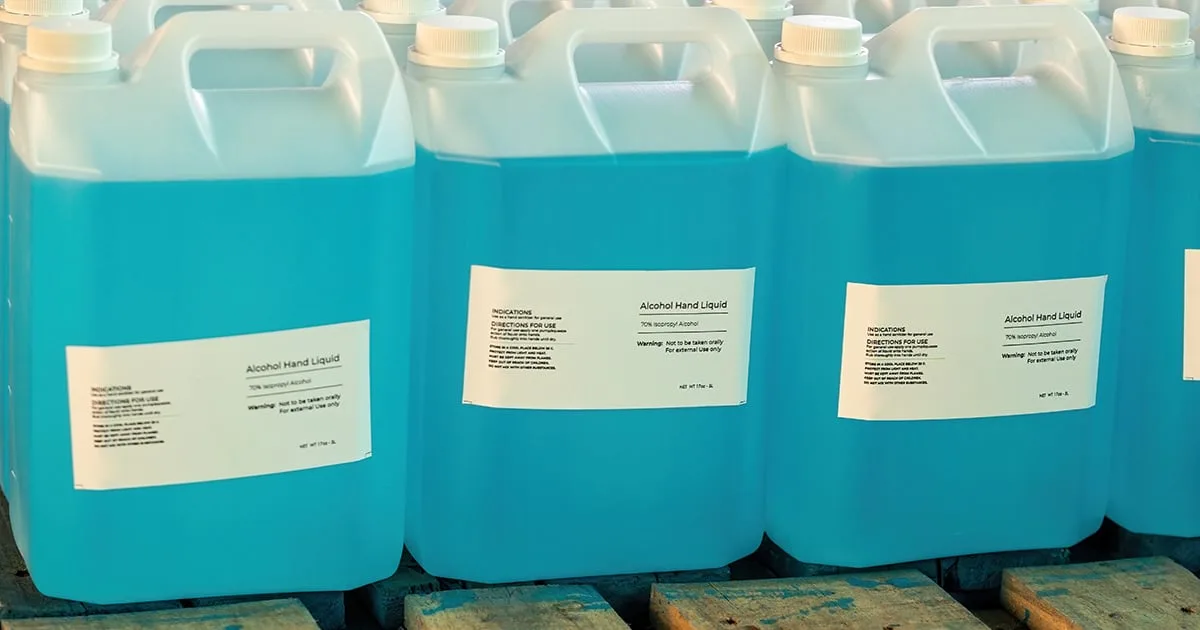
Storing Hand Sanitizers Most of the hand-sanitizing liquids in use today are gels that are 60-95% ethyl or isopropyl alcohol–classifying them as Class 3 Flammable Liquids. Hand sanitizers cannot…
What is the Definition of Hazardous Waste? Hazardous waste is waste with particular properties that make it dangerous or makes it capable of having negative effects on human health or the…
What is Hazardous Waste? Hazardous waste is a waste product with traits that can make it potentially dangerous or harmful to human health or the environment. The universe of hazardous wastes is…
What is Senate Bill (SB) 68? As outlined in the California Legislative Information website, Senate Bill (SB) 68 was introduced to extend the Alternative Management Standards (AMS) of Treated Wood…